

Empowering Communities: The Essence of Community Development
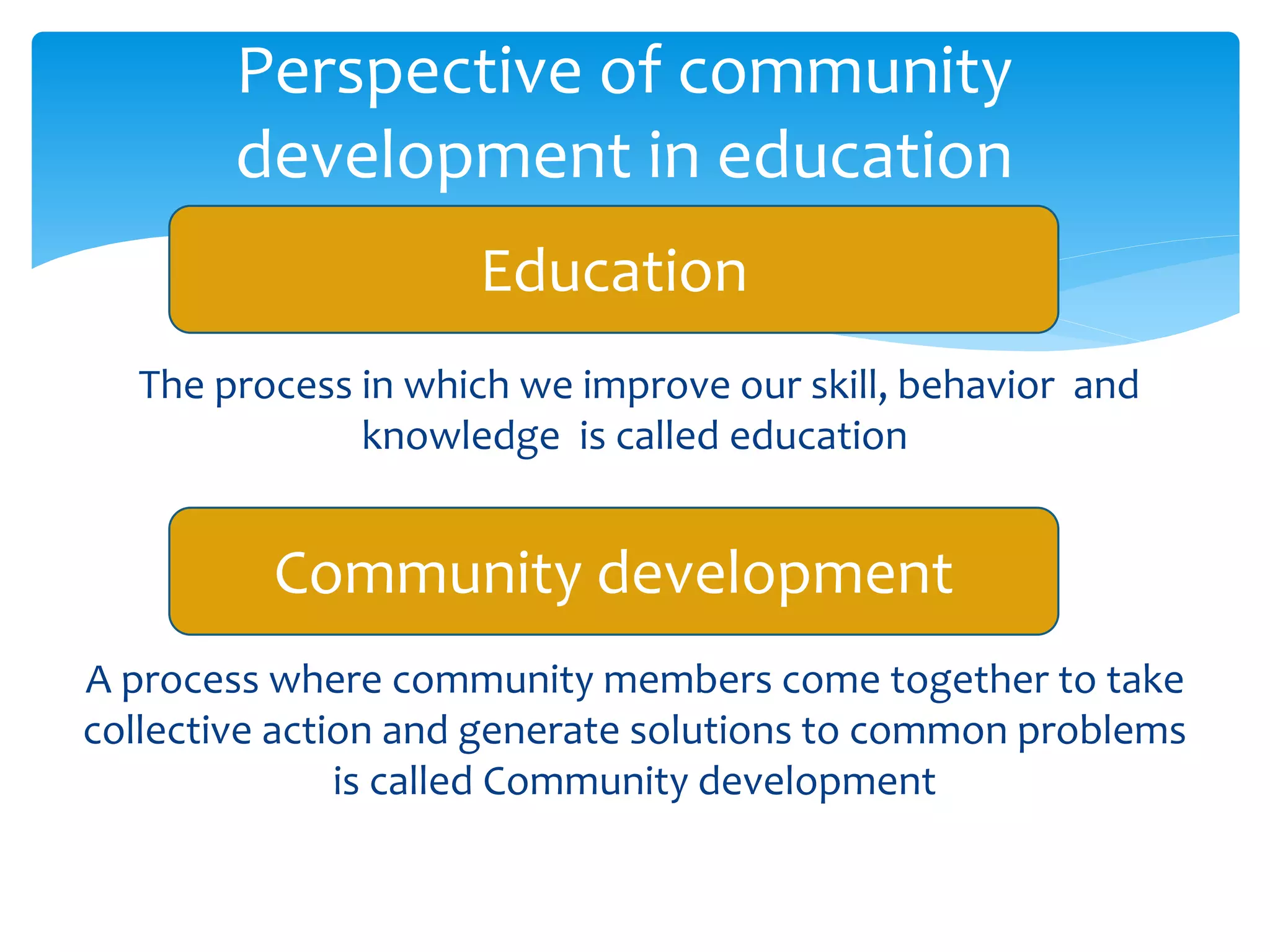
Community development is a crucial process that enables individuals and groups to take charge of their own social, economic, and environmental wellbeing. It promotes collective action, harnesses local resources, and facilitates the engagement of residents in the improvement of their living conditions. In this article, we will explore key aspects of community development, its importance, and practical strategies that communities can adopt to foster growth and resilience. For more information on community-driven initiatives, visit community development https://opedvanuatu.org/.
Understanding Community Development
Community development is a holistic approach that seeks to enhance the quality of life for all members of a community. It encompasses a range of activities, including local economic development, social justice initiatives, environmental sustainability, and health improvement projects. At its core, community development promotes empowerment and encourages active participation in decision-making processes, allowing residents to have a voice in shaping their own future.
The Importance of Community Development
The significance of community development cannot be overstated. It serves as a catalyst for social and economic progress, contributing to stability and resilience within communities. Here are several reasons why community development is essential:
- Empowerment: Community development empowers residents by providing them with the skills, knowledge, and confidence needed to effect change.
- Social Cohesion: By bringing people together, community development fosters a sense of belonging and promotes social ties among individuals.
- Economic Growth: Local economic initiatives create jobs, stimulate entrepreneurship, and boost local economies.
- Environmental Sustainability: Community-driven projects encourage sustainable practices and responsible stewardship of local resources.
- Health and Wellbeing: Improved access to health services and social support systems enhances the overall wellbeing of community members.
Strategies for Effective Community Development
Implementing effective community development strategies requires collaboration, creativity, and commitment. Here are several key strategies that can help communities thrive:

1. Community Engagement
Engaging community members is the first step in any successful development initiative. This can be achieved through surveys, workshops, and public meetings that involve residents in identifying issues and proposing solutions. The more inclusive the process, the more likely it is to resonate with the community’s needs and aspirations.
2. Building Partnerships
Collaborating with local organizations, government agencies, and businesses amplifies the impact of community development efforts. Partnerships can provide valuable resources, expertise, and funding. Building strong networks helps to leverage collective strengths for the benefit of the community.
3. Fostering Local Leadership
Developing local leaders is vital for sustainable community development. Leaders empower others and serve as advocates for community needs. Training programs and mentorship initiatives can cultivate leadership skills within the community, ensuring there are voices to represent local interests.
4. Utilizing Local Resources
Effective community development capitalizes on existing local resources, including human, natural, and economic assets. Identifying and utilizing these resources not only fosters a sense of ownership among residents but also ensures that initiatives are sustainable and culturally relevant.
5. Setting Measurable Goals
Defining clear, measurable goals is critical for tracking progress and assessing the impact of community development initiatives. Using specific indicators, communities can evaluate the effectiveness of their strategies and make necessary adjustments along the way.
Challenges in Community Development
While the benefits of community development are significant, practitioners often face various challenges. Common obstacles include limited funding, lack of community interest, and societal divisions. Addressing these challenges requires flexibility and creativity, alongside a commitment to inclusivity and engagement.
The Role of Technology in Community Development
Technology plays an increasingly important role in community development. From social media platforms that facilitate engagement and information sharing to mobile applications that provide access to local resources, technology can enhance communication and collaboration. It also allows for more efficient project management, data collection, and stakeholder engagement.
Case Studies of Successful Community Development
Examining successful community development initiatives provides valuable insights and inspiration. For instance, community gardens in urban areas have not only improved food security but also fostered social ties among residents. Similarly, local cooperatives have empowered members by providing access to resources and fostering economic independence. These case studies demonstrate that with creativity and collaboration, communities can overcome challenges and generate meaningful change.
Conclusion
Community development is a vital process that empowers residents to take control of their lives and work collectively towards improvement. By fostering social cohesion, promoting local economies, and advocating for sustainability, community development can shape vibrant, resilient communities. To effect lasting change, it is essential to prioritize engagement, collaboration, and the utilization of local resources while addressing challenges with creativity and determination. Through our collective efforts, we can nurture communities that thrive and flourish.